
What are the best ways to use medicinal plants?
Infusions, powders, capsules … If you’ve always wanted to master the subtle art of phytotherapy, then take our quick tour of the main ways of using medicinal plants to support your health naturally.

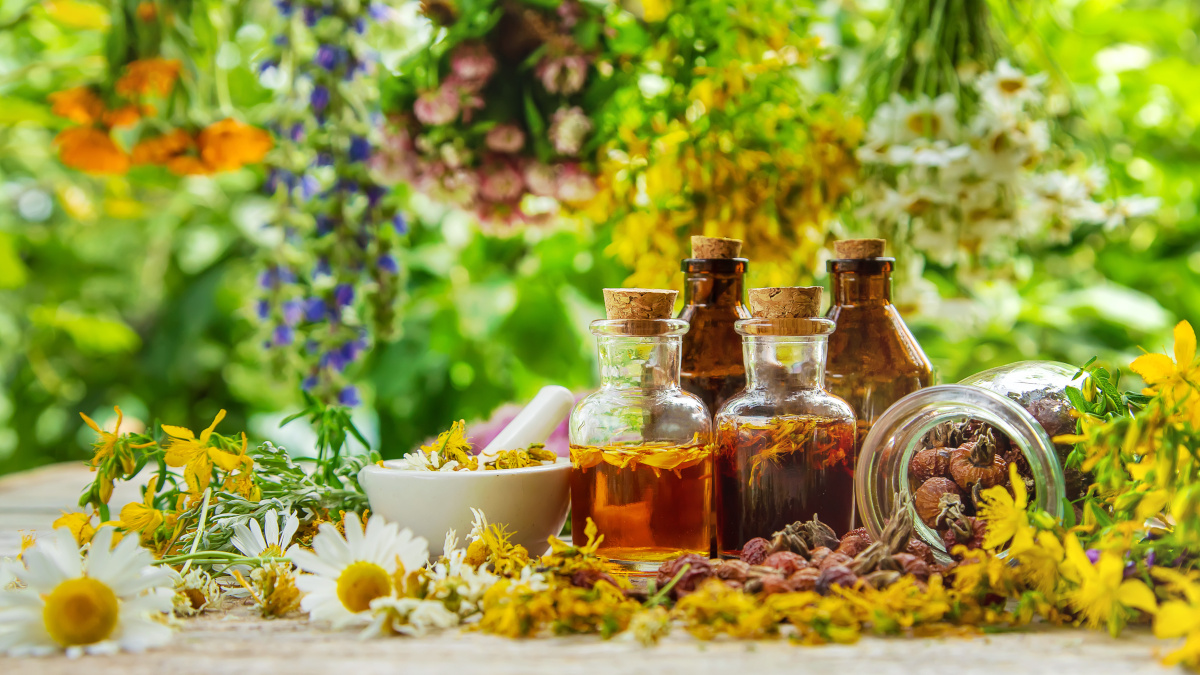
Herbal teas: infusion, decoction, maceration
Harking back to the remedies of our grandmothers, the herbal tea is undoubtedly the best-known way of benefiting from plants, notably in their dried form (1). The principle is simple: the plants are immersed in water in order to extract the water-soluble compounds. But this somewhat generic definition actually encompasses various preparations which differ according to how they are extracted.
Infusion: for delicate plants
A popular choice whether for refreshment or a therapeutic drink, an infusion consists of pouring simmering water on a plant (at a temperature of around 80-90°C). The water should not be boiling so as to avoid damaging the most sensitive compounds. Infusion is a particularly suitable method for the delicate parts of a plant, such as the flowers and leaves, as well as for aromatic plants rich in volatile compounds from which we get essential oils.
How long it should be left to infuse depends on the part of the plant used. Allow 5 minutes for flowers, or aromatics prone to bitterness. For an infusion of leaves (such as moringa, which helps maintain normal blood sugar levels) you can allow up to 10 minutes (2-3).
For maximum extraction and preservation of the active principles, it’s important to cover the cup while it’s infusing and to press the plant well once infused.
Decoction: for the tougher parts
For the stronger, more fibrous parts of a plant – such as the seeds, roots and bark – decoction is the preferred method. This intense extraction process differs from infusion in that it starts off cold.
The plant is sometimes crushed beforehand so that its compounds dissolve better. It is then plunged into cold water which is gently brought to the boil, and after boiling for several minutes, it is taken off the heat. The mixture is then covered and left to continue infusing before being filtered (pressing the grounds well) and drunk.
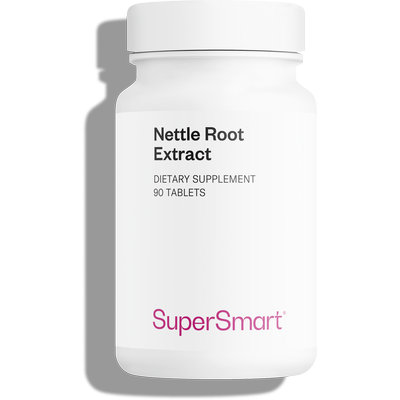
The boiling and infusing times vary depending on the plant and the part used. For example, in the case of a decoction of nettle root (which supports prostate health in particular), the recommended boiling time is usually 1 minute followed by 10 minutes’ resting time (4).
Cold maceration: for mucilaginous plants
When they come into contact with water, plants rich in mucilage release a viscous substance with soothing, emollient or laxative properties (5). Examples include marshmallow root, mallow flower and flax seeds or psyllium seeds (6-8).
To give the mucilage time to swell in the fluid, it’s important to soak the plants in cold water for a period of 10 hours. This is called cold maceration or cold soak. It’s also suitable for plants that contain heat-labile compounds (those broken down by heat).
Unlike alcohol, water does not have good preservation properties. So in order to prevent the spread of bacteria, make sure the mixture is not macerated for too long, and that it is drunk within 24 hours.
Mother-Tincture
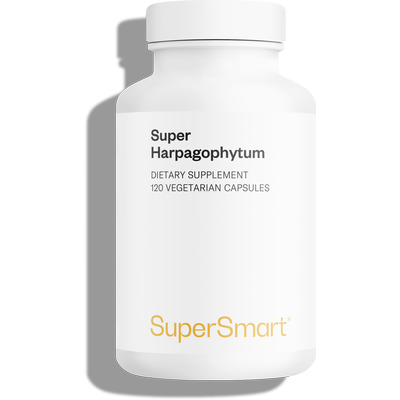
Used in the production of homeopathic remedies, mother-tinctures are the result of macerating fresh plants in strong alcohol, ideally titrated between 60°C et 90°C, for anywhere from a few days to several weeks. Calendula, arnica and harpagophytum, good for digestion, are among the best-known (9-10).
They are difficult to make yourself as they require a high degree of precision and attention to detail. It’s important to know the plant’s moisture content in order to establish the correct plant-alcohol ratio. In the French Pharmacopoeia, an alcoholic tincture comprises 10 parts alcohol to 1 part plant (dry weight).
Highly-concentrated, a mother-tincture is normally either administered in drops, used topically, or taken orally, diluted in a large glass of water. Due to its alcohol content, it is not recommended for pregnant women or nursing mothers, or for those suffering from liver problems or a sensitive stomach.
Plant extracts
Plant extracts are very similar to mother-tinctures, although the solvent used is not alcohol-based. The active substances are usually extracted by macerating the plants in water or glycerine which produces a liquid extract.
This liquid extract can then be converted into a soft or dry extract, by eliminating all or part of the solvent. This is achieved either through lyophilisation (freeze-drying then sublimation) or spray-drying (in which it undergoes rapid evaporation by passing a current of hot air over it).
Dry plant extracts are used, amongst others, in the production of dietary supplements, in capsule, or less often, tablet form.
Their primary attraction lies in the process of standardisation which ensures a consistently high minimum content of active principles in each capsule. The concentration thus remains the same across each pot, and even each batch: in this respect, it’s the best galenic form in terms of stability and efficacy. This kind of titrated extract makes up the majority of SuperSmart’s medicinal plant supplements.
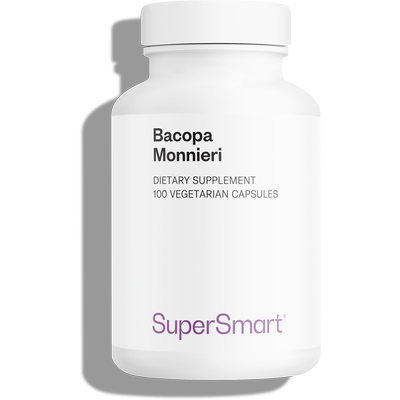
For example, Bacopa monnieri leaves, which help maintain cognitive function, owe their nootropic properties to their bacoside content (11). So by taking a supplement with a high dose of these specific saponins, you maximise the chances of obtaining optimal benefit from their expected effects.
Plant powders
Easy to sprinkle onto a smoothie or a salad dressing, plant powders have become popular in recent years. In the pharmaceutical industry, they are also used in the manufacture of tinctures, capsules and tablets.
With a generally very small particle size, these powders are obtained from plants that are dried, pulverised and then sieved. This format is particularly suitable for woody plants that are hard to infuse as well as those with a high mineral content.
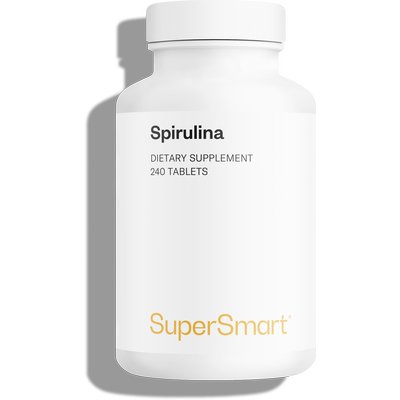
One of the best-known is spirulina in flakes, which not only promotes energy and vitality, but is incredibly nutrient-rich: it contains plant proteins, magnesium, vitamins A, B, E, K... (12)
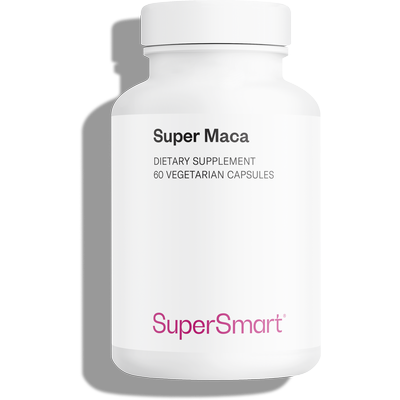
Another plant in powder form that can be diluted in a hot drink, for example, is maca, which supports sexual health and fertility. (13-14).
Powders are, however, less stable than whole plants (with a significant risk of oxidation). Some of their active principles may also be lost when they’re crushed.
Compresses, poultices and lotions
Medicinal plants can also work through the skin when used in the form of poultices, compresses or lotions.
In the case of a poultice , the plant is applied directly to the skin, having first been softened in hot water or crushed to a paste. It needs to be left to sit for around 20 minutes, and renewed, if necessary, after a few hours.
While green clay poultices are popular for their purifying and decongestant properties, especially for the joints, ginger poultices, which support good respiratory health, are particularly good for helping to get rid of mucus (15-16).
Based on the same principle, a compress is basically a clean cloth soaked in a plant infusion or decoction.
Lotions combine heavily-diluted plant preparations: infusions, decoctions, mother-tincture dilutions… When massaged into the body, they are a gentle way of relaxing muscle tensions or soothing irritated or redness-prone skin – particularly lotions based on German camomile or witch hazel (17-18). In the form of an eye wash, a cornflower formulation provides genuine relief from the effects of excessive screen time.
Other ways of using medicinal plants
There are so many ways of using medicinal plants that it’s difficult to produce an exhaustive list.
Suffice to say you can also find them in the form of:
- essential oils(aromatherapy) and hydrosols or hydrolats (hydrosol therapy) (19);
- glycerine-macerated flower buds (gemmotherapy) (20);
- medicinal wines or spirits for their appetite-stimulating and digestive properties;
- inhalations for decongesting the airways;
- aromatic baths for relaxing the muscles;
- sitz baths for easing rectal circulatory disorders;
- mouthwashes for treating oral health problems (21);
- gargles for soothing sore throats.
SUPERSMART ADVICE

References
- Finimundy TC, Pereira C, Dias MI, Caleja C, Calhelha RC, Sokovic M, Stojković D, Carvalho AM, Rosa E, Barros L, Ferreira ICFR. Infusions of Herbal Blends as Promising Sources of Phenolic Compounds and Bioactive Properties. 2020 May 4;25(9):2151. doi: 10.3390/molecules25092151. PMID: 32375427; PMCID: PMC7248711.
- Vergara-Jimenez M, Almatrafi MM, Fernandez ML. Bioactive Components in Moringa Oleifera Leaves Protect against Chronic Disease. Antioxidants (Basel). 2017 Nov 16;6(4):91. doi: 10.3390/antiox6040091. PMID: 29144438; PMCID: PMC5745501.
- Ahmad J, Khan I, Blundell R. Moringa oleifera and glycemic control: A review of current evidence and possible mechanisms. Phytother Res. 2019 Nov;33(11):2841-2848. doi: 10.1002/ptr.6473. Epub 2019 Aug 19. PMID: 31429148.
- Ghorbanibirgani A, Khalili A, Zamani L. The efficacy of stinging nettle (urtica dioica) in patients with benign prostatic hyperplasia: a randomized double-blind study in 100 patients. Iran Red Crescent Med J. 2013 Jan;15(1):9-10. doi: 10.5812/ircmj.2386. Epub 2013 Jan 5. PMID: 23487561; PMCID: PMC3589769.
- Dybka-Stępień K, Otlewska A, Góźdź P, Piotrowska M. The Renaissance of Plant Mucilage in Health Promotion and Industrial Applications: A Review. 2021 Sep 24;13(10):3354. doi: 10.3390/nu13103354. PMID: 34684354; PMCID: PMC8539170.
- Mousavi SM, Hashemi SA, Behbudi G, Mazraedoost S, Omidifar N, Gholami A, Chiang WH, Babapoor A, Pynadathu Rumjit N. A Review on Health Benefits of Malva sylvestris L. Nutritional Compounds for Metabolites, Antioxidants, and Anti-Inflammatory, Anticancer, and Antimicrobial Applications. Evid Based Complement Alternat Med. 2021 Aug 14;2021:5548404. doi: 10.1155/2021/5548404. PMID: 34434245; PMCID: PMC8382527.
- Goyal A, Sharma V, Upadhyay N, Gill S, Sihag M. Flax and flaxseed oil: an ancient medicine and modern functional food. J Food Sci Technol. 2014 Sep;51(9):1633-53. doi: 10.1007/s13197-013-1247-9. Epub 2014 Jan 10. PMID: 25190822; PMCID: PMC4152533.
- Banaee M, Soleimany V, Nematdoost Haghi B. Therapeutic effects of marshmallow (Althaea officinalis L.) extract on plasma biochemical parameters of common carp infected with Aeromonas hydrophila. Vet Res Forum. 2017 Spring;8(2):145-153. Epub 2017 Jun 15. PMID: 28785391; PMCID: PMC5524553.
- Grant L, McBean DE, Fyfe L, Warnock AM. A review of the biological and potential therapeutic actions of Harpagophytum procumbens. Phytother Res. 2007 Mar;21(3):199-209. doi: 10.1002/ptr.2029. PMID: 17128436.
- Brendler T. From Bush Medicine to Modern Phytopharmaceutical: A Bibliographic Review of Devil's Claw (Harpagophytum spp.). Pharmaceuticals (Basel). 2021 Jul 27;14(8):726. doi: 10.3390/ph14080726. PMID: 34451822; PMCID: PMC8398729.
- Kumar N, Abichandani LG, Thawani V, Gharpure KJ, Naidu MU, Venkat Ramana G. Efficacy of Standardized Extract of Bacopa monnieri (Bacognize®) on Cognitive Functions of Medical Students: A Six-Week, Randomized Placebo-Controlled Trial. Evid Based Complement Alternat Med. 2016;2016:4103423. doi: 10.1155/2016/4103423. Epub 2016 Oct 10. PMID: 27803728; PMCID: PMC5075615.
- Finamore A, Palmery M, Bensehaila S, Peluso I. Antioxidant, Immunomodulating, and Microbial-Modulating Activities of the Sustainable and Ecofriendly Spirulina. Oxid Med Cell Longev. 2017;2017:3247528. doi: 10.1155/2017/3247528. Epub 2017 Jan 15. PMID: 28182098; PMCID: PMC5274660.
- Gonzales GF, Córdova A, Vega K, Chung A, Villena A, Góñez C, Castillo S. Effect of Lepidium meyenii (MACA) on sexual desire and its absent relationship with serum testosterone levels in adult healthy men. 2002 Dec;34(6):367-72. doi: 10.1046/j.1439-0272.2002.00519.x. PMID: 12472620.
- Gonzales GF, Cordova A, Gonzales C, Chung A, Vega K, Villena A. Lepidium meyenii (Maca) improved semen parameters in adult men. Asian J Androl. 2001 Dec;3(4):301-3. PMID: 11753476.
- Çifci A, Tayman C, Yakut Hİ, Halil H, Çakır E, Çakır U, Aydemir S. Ginger ( Zingiber officinale ) prevents severe damage to the lungs due to hyperoxia and inflammation. Turk J Med Sci. 2018 Aug 16;48(4):892-900. doi: 10.3906/sag-1803-223. PMID: 30121057.
- Bera K, Nosalova G, Sivova V, Ray B. Structural Elements and Cough Suppressing Activity of Polysaccharides from Zingiber officinale Rhizome. Phytother Res. 2016 Jan;30(1):105-11. doi: 10.1002/ptr.5508. Epub 2015 Nov 2. PMID: 26522239.
- Wang W, Wang Y, Zou J, Jia Y, Wang Y, Li J, Wang C, Sun J, Guo D, Wang F, Wu Z, Yang M, Wu L, Zhang X, Shi Y. The Mechanism Action of German Chamomile (Matricaria recutita L.) in the Treatment of Eczema: Based on Dose-Effect Weight Coefficient Network Pharmacology. Front Pharmacol. 2021 Sep 30;12:706836. doi: 10.3389/fphar.2021.706836. PMID: 34658853; PMCID: PMC8515037.
- Piazza S, Martinelli G, Vrhovsek U, Masuero D, Fumagalli M, Magnavacca A, Pozzoli C, Canilli L, Terno M, Angarano M, Dell'Agli M, Sangiovanni E. Anti-Inflammatory and Anti-Acne Effects of Hamamelis virginiana Bark in Human Keratinocytes. Antioxidants (Basel). 2022 Jun 5;11(6):1119. doi: 10.3390/antiox11061119. PMID: 35740016; PMCID: PMC9220085.
- Farrar AJ, Farrar FC. Clinical Aromatherapy. Nurs Clin North Am. 2020 Dec;55(4):489-504. doi: 10.1016/j.cnur.2020.06.015. Epub 2020 Sep 28. PMID: 33131627; PMCID: PMC7520654.
- Di Vito M, Gentile M, Mattarelli P, Barbanti L, Micheli L, Mazzuca C, Garzoli S, Titubante M, Vitali A, Cacaci M, Sanguinetti M, Bugli F. Phytocomplex Influences Antimicrobial and Health Properties of Concentrated Glycerine Macerates. Antibiotics (Basel). 2020 Dec 1;9(12):858. doi: 10.3390/antibiotics9120858. PMID: 33271816; PMCID: PMC7760747.
- Pedrazzi V, Leite MF, Tavares RC, Sato S, do Nascimento GC, Issa JP. Herbal mouthwash containing extracts of Baccharis dracunculifolia as agent for the control of biofilm: clinical evaluation in humans. ScientificWorldJournal. 2015;2015:712683. doi: 10.1155/2015/712683. Epub 2015 Mar 22. Erratum in: ScientificWorldJournal. 2016;2016:8042479. PMID: 25874255; PMCID: PMC4385682.
- Safiaghdam H, Oveissi V, Bahramsoltani R, Farzaei MH, Rahimi R. Medicinal plants for gingivitis: a review of clinical trials. Iran J Basic Med Sci. 2018 Oct;21(10):978-991. doi: 10.22038/IJBMS.2018.31997.7690. PMID: 30524670; PMCID: PMC6281068.
Keywords




88 Days
Fast delivery
Fast delivery, no hassle
Trusted
92 Days
Great product
Great product, quick delivery
Jamal
95 Days
Very good helps me everytime
Very good helps me everytime
TAMMINEN Liis
97 Days
it helps a lot on digestion
it helps a lot on digestion
Elisa Fleury
103 Days
Super fast delivery
Super fast delivery. Trying flexismart at the moment, Maybe a bit too soon to see results bit nice tolérance so far.
Maria Angeles Verdu
103 Days
Good service
Supersmart are an efficient company - the order arrived quickly. This is usual for them, though they have occasionally been let down by delivery firms - not a surprise and not their fault.
Barry Humphries
104 Days
Excellent product
Excellent product, quick delivery
FERENCNE Soros
106 Days
High quality, reliable service!
I have been ordering their products for years! They are excellent quality. And despite the international shipping, my order allways arrived pretty fast. The loyalty program is very fair, I get great prices on the products. Imagine: my specialists are asking me what have I been taking that my counts are so good!
Petra Hruskova
107 Days
I purchased Melatonin
I purchased Melatonin, very quick delivery to the UK and product is perfect. Very Happy
Dean Harriss
109 Days
Avis général
Well boxes are white but that puts a bit of serious color for my grey matter. Supersmart is quality products and made myself a pharmacy. Honestly should be remboursed by the health institutes selling pills
LEBORDAIS Thomas
110 Days
Arrives in just five days even to Japan…
Arrives in just five days even to Japan – that’s insanely fast! Amazing lineup of innovative products.
namio
113 Days
Quality and choice of supplements.
Quality and choice of supplements.
Maja
117 Days
perfect great
perfect great
igor janic
122 Days
Good products and speedy delivery
Good products and speedy delivery
Jim
126 Days
Very good
Very good, fast delivery
Paddy
of experience
your money back
##montant## purchase