
Coffee: beneficial and adverse effects on health
A recent study has challenged common perceptions of coffee’s effects, especially on blood pressure. What, ultimately, are the positive and negative effects of coffee on health?


2 cups of coffee a day for healthy blood pressure?
That’s what Italian scientists are suggesting following their study of more than 700 men and almost 800 women, the results of which were published in the journal Nutrients on 8 January 2023 (1).
Participants underwent several tests, including having their peripheral blood pressure taken (the sort doctors measure on the upper arm) as well as central aortic blood pressure (the aorta being the main artery that carries blood directly from the heart to the rest of the body).
According to the results of this large-scale study, people who drank between one and three cups of coffee a day appeared to have significantly lower blood pressure than those who did not drink it.
The study authors thus concluded that moderate coffee consumption has a beneficial effect on blood pressure. This may seem somewhat counter-intuitive given that caffeine is generally accepted to be the major active compound in coffee, but the researchers point out that the beverage also contains many other substances which offer multiple benefits.
Health benefits of coffee
The effect that first springs to mind when we think about coffee is obviously a stimulant one. This is directly related to caffeine which improves alertness, boosts performance, reduces fatigue, etc. Indeed, coffee is often considered the most widely-consumed psychoactive drug in the world(2).
But coffee also contains another active principle: chlorogenic acid, a powerfully antioxidant polyphenolic compound. Research has shown this molecule to have positive effects on the oxidation of LDL cholesterol in particular, as well as potential anxiolytic benefits (3-5).
In general terms, a vast meta-analysis published in the European Journal of Epidemiology (which looked at data from 40 studies involving 4 million participants) concluded that moderate consumption of coffee reduces the risk of dying from heart disease by 17% and from a diabetes-related problem by 24% (6)!
Coffee: take care not to over-indulge!
A note of caution however: according to the European Food Safety Agency (EFSA), you shouldn’t consume more than 400mg of caffeine a day, equivalent to 4 espressos (7).
This is because although caffeine is a cardiotonic, excessive consumption has an adverse effect: it causes the blood pressure to rise and the heart to become fatigued. Indeed, according to a study published in The American Journal of Clinical Nutrition, drinking more than 5 cups of coffee a day increases the risk of cardiovascular disease by 22% (8).
Increased blood pressure can also cause headaches, difficulty concentrating and even nausea.
So as is often the case, moderation is key when it comes to the health benefits of coffee!
What natural alternatives are there to coffee?
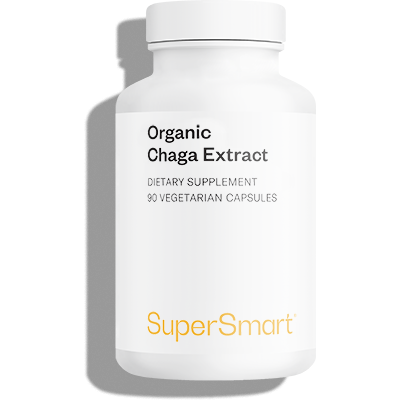
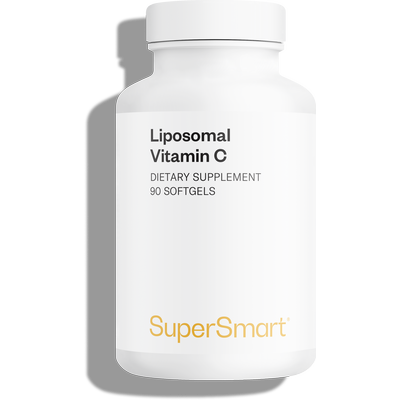
Regardless of whether or not you drink coffee, if you want to reduce your levels of fatigue and regain your vitality and energy, we’d recommend taking a course of vitamin C (such as Liposomal Vitamin C) and magnesium (Magnesium Orotate for example). Synergistic multivitamin formulations(such as Daily 3) are also excellent options. In addition, the mushroom chaga is traditionally used for its invigorating properties (cf. Organic Chaga Extract).
If you think you’re addicted to coffee, or find it too stimulating, then gradually switch to tea. Remember that tea also contains caffeine (it’s called ‘theine’ but is exactly the same molecule). A cup of tea contains 3-4 times less caffeine than a cup of coffee. Theine is also absorbed more slowly, restricted by the tannins in tea. Tea is thus recognised as a stimulant but without the ‘over-stimulant’ effects that coffee can produce, it being absorbed much faster by the body.
If you’re looking to maintain your heart health, irrespective of how much coffee you drink, consider hawthorn (recognised for supporting healthy cardiovascular function) and vitamin B12 (which plays a role in normal blood cell formation). Think about potassium too, as it supports healthy muscle function, including cardiac muscle. These compounds are found in synergistic formulationstargeted at the cardiovascular system (such as Cardio Booster).
And finally, to boost your antioxidant intake, we’d suggest taking natural astaxanthin combined with vitamin E (Astaxanthin), or a course of potent apple polyphenols (which you can find in the supplement Apple Polyphenols, listed in our ‘anti-ageing’ category).
SUPERSMART ADVICE
References
- CICERO, Arrigo FG, FOGACCI, Federica, D’ADDATO, Sergio, et al.Self-Reported Coffee Consumption and Central and Peripheral Blood Pressure in the Cohort of the Brisighella Heart Study. Nutrients, 2023, vol. 15, no 2, p. 312.
- GEORGE, Sunitha Elizabeth, RAMALAKSHMI, Kulathooran, et MOHAN RAO, Lingamallu Jagan. A perception on health benefits of coffee. Critical reviews in food science and nutrition, 2008, vol. 48, no 5, p. 464-486.
- TAJIK, Narges, TAJIK, Mahboubeh, MACK, Isabelle, et al.The potential effects of chlorogenic acid, the main phenolic components in coffee, on health: a comprehensive review of the literature. European journal of nutrition, 2017, vol. 56, p. 2215-2244.
- WAN, Chun‐Wai, WONG, Candy Ngai‐Yan, PIN, Wing‐Kwan, et al.Chlorogenic acid exhibits cholesterol lowering and fatty liver attenuating properties by up‐regulating the gene expression of PPAR‐α in hypercholesterolemic rats induced with a high‐cholesterol diet. Phytotherapy Research, 2013, vol. 27, no 4, p. 545-551.
- HEITMAN, Erin et INGRAM, Donald K. Cognitive and neuroprotective effects of chlorogenic acid. Nutritional Neuroscience, 2017, vol. 20, no 1, p. 32-39.
- KIM, Youngyo, JE, Youjin, et GIOVANNUCCI, Edward. Coffee consumption and all-cause and cause-specific mortality: a meta-analysis by potential modifiers. European journal of epidemiology, 2019, vol. 34, p. 731-752.
- https://www.efsa.europa.eu/fr/topics/topic/caffeine
- CORNELIS, Marilyn C. et VAN DAM, Rob M. Coffee consumption and disease networks. The American journal of clinical nutrition, 2022, vol. 116, no 3, p. 625-626.





76 Days
Fast delivery
Fast delivery, no hassle
Trusted
80 Days
Great product
Great product, quick delivery
Jamal
84 Days
Very good helps me everytime
Very good helps me everytime
TAMMINEN Liis
85 Days
it helps a lot on digestion
it helps a lot on digestion
Elisa Fleury
91 Days
Super fast delivery
Super fast delivery. Trying flexismart at the moment, Maybe a bit too soon to see results bit nice tolérance so far.
Maria Angeles Verdu
91 Days
Good service
Supersmart are an efficient company - the order arrived quickly. This is usual for them, though they have occasionally been let down by delivery firms - not a surprise and not their fault.
Barry Humphries
92 Days
Excellent product
Excellent product, quick delivery
FERENCNE Soros
95 Days
High quality, reliable service!
I have been ordering their products for years! They are excellent quality. And despite the international shipping, my order allways arrived pretty fast. The loyalty program is very fair, I get great prices on the products. Imagine: my specialists are asking me what have I been taking that my counts are so good!
Petra Hruskova
96 Days
I purchased Melatonin
I purchased Melatonin, very quick delivery to the UK and product is perfect. Very Happy
Dean Harriss
98 Days
Avis général
Well boxes are white but that puts a bit of serious color for my grey matter. Supersmart is quality products and made myself a pharmacy. Honestly should be remboursed by the health institutes selling pills
LEBORDAIS Thomas
99 Days
Arrives in just five days even to Japan…
Arrives in just five days even to Japan – that’s insanely fast! Amazing lineup of innovative products.
namio
101 Days
Quality and choice of supplements.
Quality and choice of supplements.
Maja
105 Days
perfect great
perfect great
igor janic
110 Days
Good products and speedy delivery
Good products and speedy delivery
Jim
114 Days
Very good
Very good, fast delivery
Paddy
of experience
your money back
##montant## purchase