
Could your stomach ache be caused by the bacteria Helicobacter pylori?
Have you heard of the bacteria Helicobacter pylori? Perhaps not, as awareness of this pathogen is far from widespread, despite it being responsible for many cases of stomach ache. Indeed, around 50% of us may be harbouring this germ which is believed to be the principal cause of gastro-duodenal ulcers.

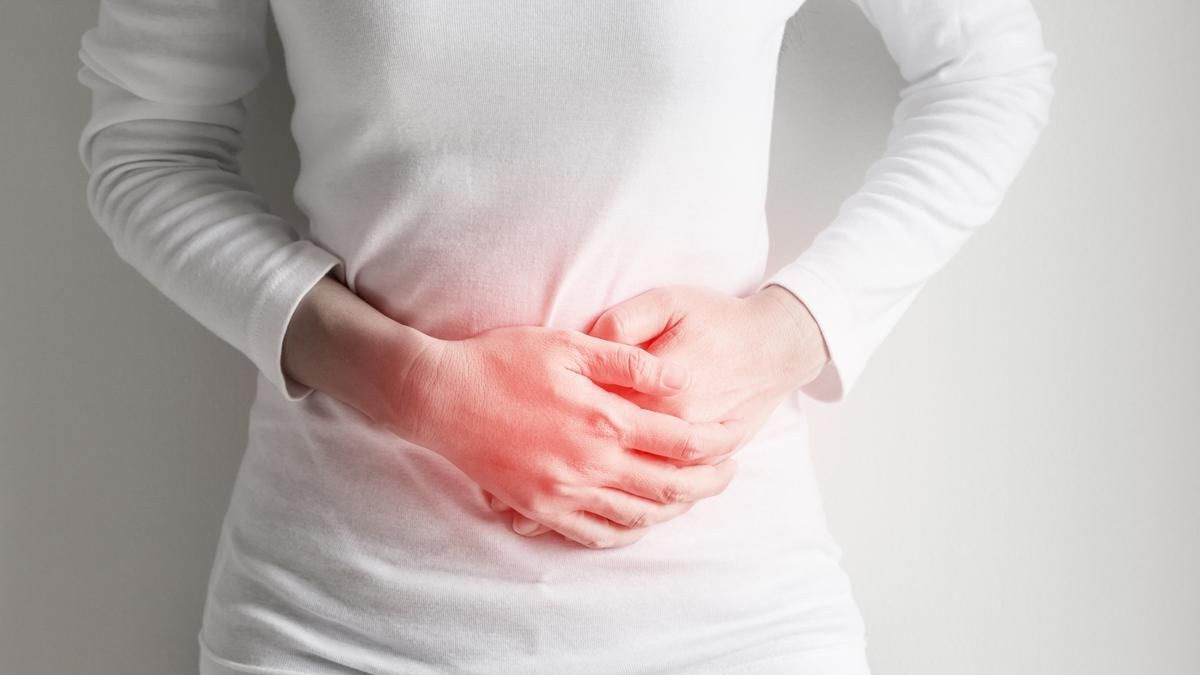
Where does Helicobacter pylori grow?
For a long time, it was thought that no bacteria could survive the acidity of the stomach. However in 1982, two Australian scientists were surprised to discover that the bacteria Helicobacter pylori (H. pylori) was indeed able to withstand the effects of gastric juices. This bacteria forms part of the Helicobacter genus because of its external, corkscrew-like, helicoidal structure. The term pylori refers to the pylorus where the stomach meets the small intestine.
How does Helicobacter pylori survive in the stomach?
The scientists who discovered Helicobacter pylori in the human stomach were actually awarded the Nobel prize for physiology and medicine in 2005. Following this major advance, further research has expanded our understanding of the mechanism responsible for its development. Its very specific structure means it is able to penetrate the stomach’s mucus and mucosa. Once there, H. pylori produces significant amounts of an ammonia-producing enzyme called urease, which enables it to survive in the gastric mucosa.
What are the consequences of H. pylori infection?
As well as secreting urease, Helicobacter pylori produces toxins which damage the stomach, weakening the gastric mucosa and leaving it vulnerable to attack by gastric juices. They may also increase gastric acid production which encourages the development of chronic inflammation in the stomach, manifesting in frequent stomach pain.
What is the risk of complications from H. pylori infection?
In some cases, the gastritis caused by H. pylori can result in a gastroduodenal ulcer, a deep lesion in the stomach wall (gastric ulcer) or intestinal wall (duodenal ulcer). Helicobacter pylori infection is now considered the leading cause of gastroduodenal ulcers. In rare cases, it can contribute to the development of stomach cancer (gastric adenocarcinoma).
Who is affected by this infection?
It’s estimated that half the world’s population may be infected by the bacteria H. pylori. Though contamination happens more frequently in childhood, Helicobacter pylori infection can remain asymptomatic and undiscovered for many years. A significant number of people are thus living with this bacteria without realising it.
How do you recognise and diagnose infection by H. pylori ?
It can be difficult to diagnoseHelicobacter pylori infection - medical tests are needed to confirm the presence and growth of this bacteria. There are, however, certain warning signs such as persistent, increasingly frequent stomach aches, abdominal pain accompanied by bloating, and nausea with loss of appetite.
How is H. pylori infection treated?
Helicobacter pylori is normally treated with antacid-based triple therapy, aimed at reducing gastric acid production and limiting damage to the gastric mucosa. This tritherapy usually includes a proton pump inhibitor (PPI) and two antibiotics. In some cases, quadri-therapy with a PPI and three antibiotics may be used. Unfortunately, more and more cases of antibiotic resistance are being reported. The bacteria H. pylori is mutating and becoming resistant to antibiotics.
Are natural treatments available?
In view of this growing antibiotic resistance, a number of studies have highlighted the benefits of natural treatments for combatting gastritis and ulcers. Widely-studied, liquorice extractHelicobacter pylori: mastic gum. This natural gum has been used for thousands of years as a remedy for stomach aches and as an antiseptic. Studies show that this extract may inhibit or kill certain bacteria, including H. pylori.
How can you prevent infection by H. pylori?
The above-mentioned liquorice extract and mastic gum can also be used in a preventive capacity. Their activity is particularly useful in helping to protect the gastric mucosa from attack by H. pylori. Improving digestive transit may also be beneficial for prevention given that good digestive transit encourages the elimination of toxins including those produced by Helicobacter pylori. Alongside a balanced diet and healthy lifestyle, certain dietary supplements can help to maintain good digestive transit. One such supplement is psyllium seed husk, which contains a large quantity of soluble fibre, and probiotics, microorganisms recognised for their beneficial effects on the digestive system.
Keywords


88 Days
Fast delivery
Fast delivery, no hassle
Trusted
92 Days
Great product
Great product, quick delivery
Jamal
95 Days
Very good helps me everytime
Very good helps me everytime
TAMMINEN Liis
97 Days
it helps a lot on digestion
it helps a lot on digestion
Elisa Fleury
103 Days
Super fast delivery
Super fast delivery. Trying flexismart at the moment, Maybe a bit too soon to see results bit nice tolérance so far.
Maria Angeles Verdu
103 Days
Good service
Supersmart are an efficient company - the order arrived quickly. This is usual for them, though they have occasionally been let down by delivery firms - not a surprise and not their fault.
Barry Humphries
104 Days
Excellent product
Excellent product, quick delivery
FERENCNE Soros
106 Days
High quality, reliable service!
I have been ordering their products for years! They are excellent quality. And despite the international shipping, my order allways arrived pretty fast. The loyalty program is very fair, I get great prices on the products. Imagine: my specialists are asking me what have I been taking that my counts are so good!
Petra Hruskova
107 Days
I purchased Melatonin
I purchased Melatonin, very quick delivery to the UK and product is perfect. Very Happy
Dean Harriss
109 Days
Avis général
Well boxes are white but that puts a bit of serious color for my grey matter. Supersmart is quality products and made myself a pharmacy. Honestly should be remboursed by the health institutes selling pills
LEBORDAIS Thomas
110 Days
Arrives in just five days even to Japan…
Arrives in just five days even to Japan – that’s insanely fast! Amazing lineup of innovative products.
namio
113 Days
Quality and choice of supplements.
Quality and choice of supplements.
Maja
117 Days
perfect great
perfect great
igor janic
122 Days
Good products and speedy delivery
Good products and speedy delivery
Jim
126 Days
Very good
Very good, fast delivery
Paddy
of experience
your money back
##montant## purchase