
Melatonin: a protective role against cognitive decline?
A vast scientific review recently published examines the potential role of melatonin in protecting the brain. And while the research still calls for caution, promising biological mechanisms are emerging from this study...


What is melatonin?
Melatonin is a hormone naturally produced by the pineal gland, mainly during the night.
Its secretion follows a precise circadian rhythm, which synchronises with the alternation of light and darkness, and therefore day and night.
It plays a key role in regulating the sleep-wake cycle and the functioning of the biological clock. This is why it is commonly referred to as the ‘sleep hormone’.
From a biological point of view, a drop in light levels triggers an increase in its production, signalling to the body the arrival of the nocturnal phase and making it easier to fall asleep (1).
These properties explain why melatonin is often used as a dietary supplement, particularly to reduce the time it takes to fall asleep and to reduce the effects of jet lag when travelling.
But what if melatonin had an effect not just on sleep, but also on the brain?
Scientists are looking into the other effects of melatonin.
A major scientific review published in January 2025 in Molecular Psychiatry looked at the potential effects of melatonin on brain protection, brain ageing and neurodegenerative processes (2).
Its aim was to assess melatonin's potential in preventing and modulating certain mechanisms associated with Alzheimer's disease.
The analysis compiled the results of numerous studies conducted over more than 20 years on animal models, cell cultures and various clinical observations.
The authors concluded that melatonin may exert neuroprotection via several complementary biological mechanisms, including modulation of oxidative stress, neuroinflammation, amyloid metabolism, tau protein and the circadian rhythm.
However, these data remain exploratory and still require in-depth clinical trials.
Helping to combat oxidative stress
Oxidative stress plays a major role in brain ageing and the progressive degeneration of neurons (3).
It results from excessive production of free radicals, capable of damaging cell membranes, mitochondria and neuronal DNA.
Melatonin, for its part, has been shown to have antioxidant activity, likely to help neutralise certain free radicals.
It could also promote the action of endogenous antioxidant enzymes, thereby helping to strengthen natural cellular defences.
This dual action could help limit some oxidative damage associated with cerebral ageing.
The capacity to modulate proteins linked to neurodegeneration
In certain neurodegenerative diseases, such as Alzheimer's, abnormal proteins gradually accumulate in the brain.
The main ones are amyloid and tau proteins, which can disrupt the functioning of neurons when they aggregate (4).
The review points out that melatonin could influence several stages in the metabolism of these proteins.
Experimental studies suggest that it could modulate the formation of amyloid deposits and limit some of their toxic effects on nerve cells.
It could also be involved in certain processes involved in abnormal modifications of the tau protein.
These observations suggest a potential role for melatonin in maintaining cellular integrity during cerebral ageing.
An impact on sleep, which could influence brain health
The circadian rhythm is the internal clock that regulates sleep-wake cycles over approximately 24 hours.
This rhythm influences a number of brain processes, in particular those involved in memory, attention and learning.
During sleep, the brain activates a natural cleansing system known as the glymphatic system.
This mechanism helps to eliminate certain waste products from neuronal activity that have accumulated during the day (5).
Insufficient or disturbed sleep could therefore encourage the gradual accumulation of some substances in the brain.
By helping to regulate the biological clock, melatonin could contribute to the establishment of a more stable sleep-wake rhythm, favourable to maintaining cerebral equilibrium.
Immune modulation and cerebral inflammation
With age, mild but persistent inflammation can develop within the brain: this is known as chronic neuroinflammation.
This inflammation involves brain cells called microglial cells, which play a key role in the immune defence of the central nervous system.
When they become excessively active, they can produce inflammatory mediators that can progressively alter neurons and be associated with certain cognitive impairments (6).
According to several scientific studies, melatonin could help modulate this excessive activation and play a part in regulating the production of some inflammatory mediators.
The authors also suggest a potential role in maintaining the functional integrity of the blood-brain barrier.
This structure plays an essential role in filtering substances circulating in the body, particularly those likely to trigger inflammatory responses.
How can you support melatonin production and cognitive health?
Adopt good daily habits
A number of simple lifestyle habits can encourage the natural production of melatonin.
As well as contributing to the establishment of quality sleep, they help maintain overall physiological balance.
If you haven't already done so, you can start by:
- adopting regular bedtimes and wake-up times
- reducing exposure to blue or intense light, especially in the evening
- sleeping in complete darkness
- avoiding heavy meals and strenuous activity at the end of the day
Eating a balanced diet, getting regular exercise and learning to manage stress better are also important factors in maintaining a stable circadian rhythm.
Supplementing your melatonin levels
When lifestyle adjustments are not enough, melatonin supplementation can be considered to support the body's natural levels of this hormone.
There are different forms of melatonin, each with its own specific characteristics depending on needs and preferences for use.
Melatonin tablets are commonly used and are easy and convenient to take, particularly when travelling.
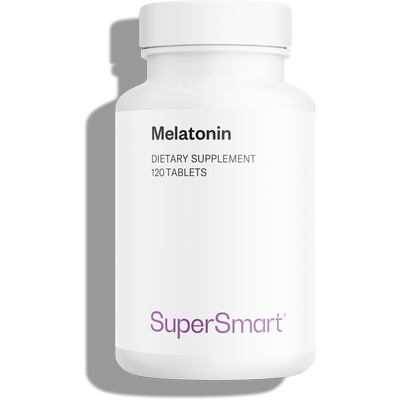
 Discover Melatonin 1 mg food supplement tablets, which work within 30 to 60 minutes of being taken.
Melatonin is also available in spray form, for absorption via the oral mucosa.
Discover Melatonin Spray Timed Release, a spray formula combining melatonin and vitamin B6. Vitamin B6 contributes to the normal functioning of the nervous system.
Finally, there are also formulas that combine melatonin with other ingredients, in particular certain vitamins or plant extracts, in combined approaches to sleep.
Discover the Advanced Sleep Formula food supplement combining melatonin, vitamin B6 and plant extracts.
Formulas dedicated to brain nutrition
It is also possible to adopt a global nutritional approach by focusing on the nutrients involved in the functioning of the nervous system.
Some plants such as Ginkgo biloba, Bacopa monnieri, Centella asiatica and Huperzia serrata are the subject of scientific research into their interaction with different physiological mechanisms involved in brain function.
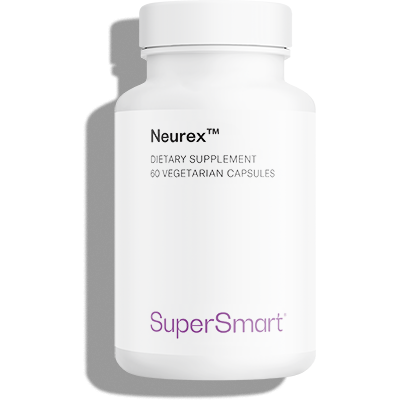
Discover the Neurex food supplement, combining B group vitamins and plant extracts. Group B vitamins contribute to the normal functioning of the nervous system and normal psychological functions.
Certain amino acids also participate in processes involved in the functioning of the nervous system, and may be of interest in supporting brain health.
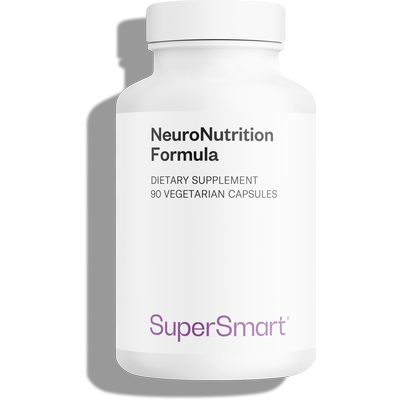
Discover NeuroNutrition Formula, a food supplement that combines various amino acids with an extract of Gastrodia elata, studied in the scientific literature for its interaction with certain cellular mechanisms involved in neuroplasticity.
SUPERSMART ADVICE


References
- Tordjman S, Chokron S, Delorme R, Charrier A, Bellissant E, Jaafari N, Fougerou C. Melatonin: Pharmacology, Functions and Therapeutic Benefits. Curr Neuropharmacol. 2017 Apr;15(3):434-443. doi: 10.2174/1570159X14666161228122115. PMID: 28503116; PMCID: PMC5405617.
- Zhang Z, Xue P, Bendlin BB, Zetterberg H, De Felice F, Tan X, Benedict C. Melatonin: A potential nighttime guardian against Alzheimer's. Mol Psychiatry. 2025 Jan;30(1):237-250. doi: 10.1038/s41380-024-02691-6. Epub 2024 Aug 11. PMID: 39128995; PMCID: PMC11649572.
- Abdelhamid RF, Nagano S. Crosstalk between Oxidative Stress and Aging in Neurodegeneration Disorders. Cells. 2023 Feb 27;12(5):753. doi: 10.3390/cells12050753. PMID: 36899889; PMCID: PMC10001353.
- Abdulkhaliq AA, Kim B, Almoghrabi YM, Khan J, Ajoolabady A, Ren J, Bahijri S, Tuomilehto J, Borai A, Pratico D. Amyloid-β and Tau in Alzheimer's disease: pathogenesis, mechanisms, and interplay. Cell Death Dis. 2026 Jan 9;17(1):21. doi: 10.1038/s41419-025-08186-8. PMID: 41513640; PMCID: PMC12789470.
- Ibrahim A, Högl B, Stefani A. Sleep as the Foundation of Brain Health. Semin Neurol. 2025 May;45(3):305-316. doi: 10.1055/a-2566-4073. Epub 2025 Mar 26. PMID: 40139214; PMCID: PMC12202054.
- Ishikawa K, Fujikawa R, Okita K, Kimura F, Watanabe T, Katsurabayashi S, Iwasaki K. Microglia in Brain Aging and Age-Related Diseases: Friends or Foes? Int J Mol Sci. 2025 Nov 27;26(23):11494. doi: 10.3390/ijms262311494. PMID: 41373648; PMCID: PMC12691751.
Keywords





88 Days
Fast delivery
Fast delivery, no hassle
Trusted
92 Days
Great product
Great product, quick delivery
Jamal
95 Days
Very good helps me everytime
Very good helps me everytime
TAMMINEN Liis
97 Days
it helps a lot on digestion
it helps a lot on digestion
Elisa Fleury
103 Days
Super fast delivery
Super fast delivery. Trying flexismart at the moment, Maybe a bit too soon to see results bit nice tolérance so far.
Maria Angeles Verdu
103 Days
Good service
Supersmart are an efficient company - the order arrived quickly. This is usual for them, though they have occasionally been let down by delivery firms - not a surprise and not their fault.
Barry Humphries
104 Days
Excellent product
Excellent product, quick delivery
FERENCNE Soros
106 Days
High quality, reliable service!
I have been ordering their products for years! They are excellent quality. And despite the international shipping, my order allways arrived pretty fast. The loyalty program is very fair, I get great prices on the products. Imagine: my specialists are asking me what have I been taking that my counts are so good!
Petra Hruskova
107 Days
I purchased Melatonin
I purchased Melatonin, very quick delivery to the UK and product is perfect. Very Happy
Dean Harriss
109 Days
Avis général
Well boxes are white but that puts a bit of serious color for my grey matter. Supersmart is quality products and made myself a pharmacy. Honestly should be remboursed by the health institutes selling pills
LEBORDAIS Thomas
110 Days
Arrives in just five days even to Japan…
Arrives in just five days even to Japan – that’s insanely fast! Amazing lineup of innovative products.
namio
113 Days
Quality and choice of supplements.
Quality and choice of supplements.
Maja
117 Days
perfect great
perfect great
igor janic
122 Days
Good products and speedy delivery
Good products and speedy delivery
Jim
126 Days
Very good
Very good, fast delivery
Paddy
of experience
your money back
##montant## purchase