
Hair loss: 7 effective supplements
Hair loss is thought to affect 85% of men and 35% of women over a lifetime. Discover the best supplements for fighting hair loss.

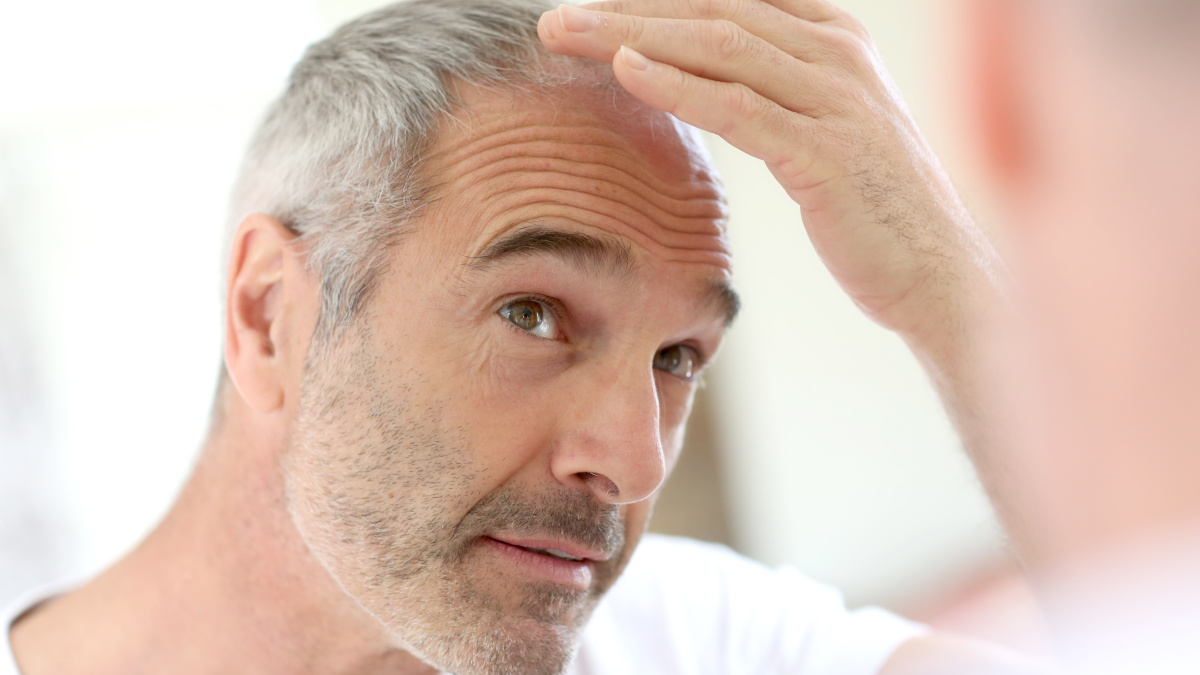
What are the main causes of hair loss?
While it affects both men and women, the origins of hair loss are normally different for each.
In men, androgenetic alopecia is the most common cause (1). This disorder, prevalence of which increases with age, first manifests as thinning and then loss of the hair shafts on the top of the scalp. It’s caused by the abnormal presence of receptors of dihydrotestosterone, a testosterone derivative, on the hair bulb at the base of the follicle: the hair renewal cycle speeds up, prematurely exhausting the follicle’s ‘regrowth’ capacity. It often runs in families though it can skip one or more generations.
In women, hair loss is often due to taking oral contraceptives, or HRT prescribed for symptoms of the menopause (2). It may also be a sign of vitamin or mineral deficiencies, or thyroid dysfunction (3).
In addition to long-term alopecia, people can also suffer temporary hair loss, usually after a period of intense stress or a psychological shock. It normally resolves spontaneously once the triggering factor has gone: this is referred to as telogen effluvium (4).
Zinc, the hair follicle’s guardian angel
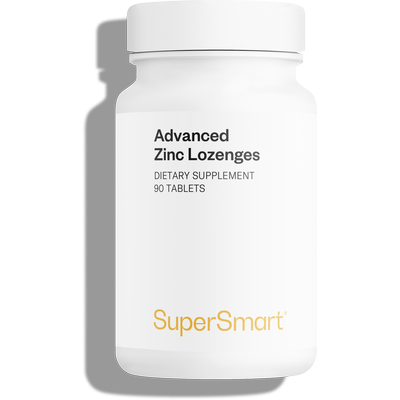
A number of studies have demonstrated lower serum zinc levels in those affected by hair loss compared with controls (5). While the role played by zinc in strengthening the hair needs clarification, a commonly-advanced theory is that it has an inhibitory effect on regression of the hair follicle.
Iron levels may be a factor in female hair loss
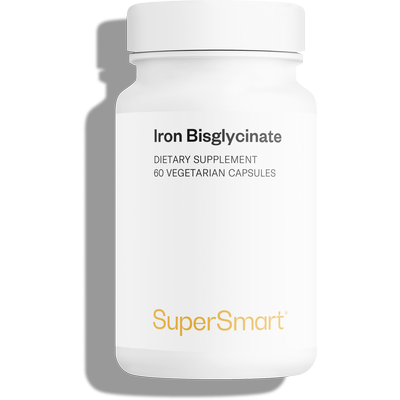
Fine, brittle hair in women who suffer heavy periods may be a sign of deficiency in iron (6). This mineral plays a part in the normal transport of oxygen in the body and thus directly contributes to good oxygenation of the hair follicles, a prerequisite for ensuring new hair growth. If you’re concerned you may be lacking in iron, a blood test to check your ferritin levels should provide a diagnosis.
Maca, a natural hair-booster
One study suggests that certain types of alopecia (alopecia areata), may be associated with elevated levels of inflammatory interleukins (including IL-6) (7). According to the study’s authors, taking maca to boost the body’s defences could have a beneficial effect on IL-6 levels, a conclusion that may open the way to potential applications in the field of hair loss.
What’s more, maca has a nutrient-rich composition (vitamins, minerals, amino acids …) conducive to cell reproduction within the hair bulb: indeed many naturopaths recommend it for its scalp-stimulating properties (8).
Spirulina, for restoring strength to fine hair
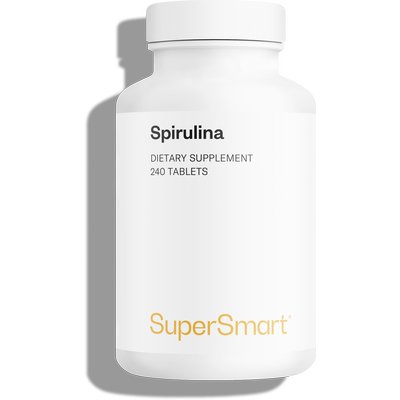
Considered by many to be a super-food, spirulina has a fortifying and remineralising effect on the whole body (9). Surprisingly rich in nutrients – particularly proteins and B vitamins – it may indirectly benefit the production of keratin, a key substance for rebuilding hair fibres. Used in the form of a scalp mask or oral supplements, it could thus restore thickness to fine hair.
Royal jelly and pollen, a winning combination for a strong head of hair
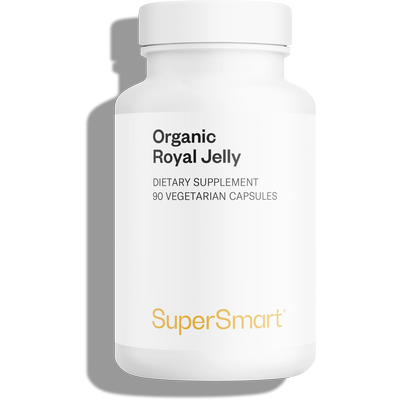
We don’t normally associate bee-source products with maintaining hair strength, yet royal jelly appears to offer excellent support in this respect. The sole food of bee larvae in the first three days of life, it contains amino acids, sugars, vitamins, minerals and trace elements, ensuring growth and resilience (10). It’s thought to exert a similar strengthening effect on our hair, especially on the roots.
Combined with pollen, royal jelly may also act as natural shield against external aggressors likely to weaken the hair and cause it to fall out.
Brewer’s yeast, for improving hair quality during re-growth
Though not an anti-hair loss supplement as such, brewer’s yeast significantly improves hair quality during regrowth. Like spirulina, this complex of single-cell fungi may provide a ‘shot in the arm’ effect to keratin which, let’s remember, makes up 95% of the composition of the hair shaft. This effect may be due to its high nutrient content and richness in proteins, vitamins (particularly B vitamins) and minerals (11).
The B vitamins, a keystone of hair renewal
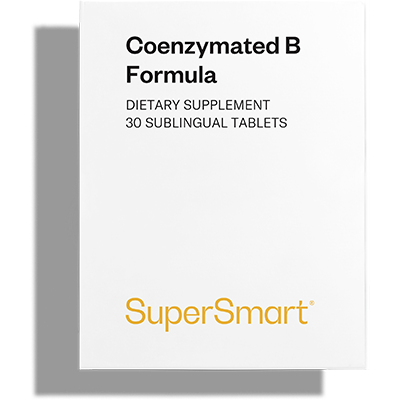
Involved in metabolism and cellular activity, the B group vitamins play an important part in maintaining the body as a whole. While the precise role played by micronutrients in hair loss is still the subject of scientific debate, it appears that certain deficiency states may affect the hair’s ability to self-renew (12):
- vitamin B2 (or riboflavin): as a precursor of two coenzymes (FMN and FAD), it plays a part in normal energy metabolism, particularly in the hair bulb (13) ;
- biotin (also called vitamin B8, B7 or H): this ‘beauty’ vitamin helps to maintain healthy hair through its role in keratin production (14) ;
- vitamins B9 and B12: both play a role in cell division and studies are therefore investigating the way in which they interact with highly-proliferative follicles (15).
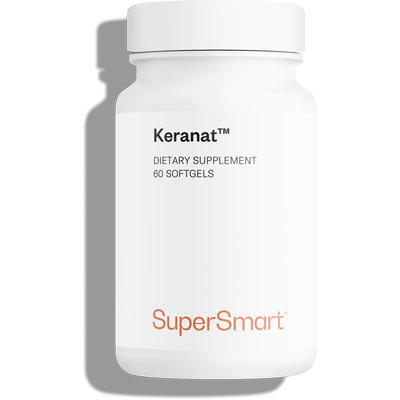
It’s worth noting that certain supplements (such as the formulation Keranat) combine, in a single capsule, a number of compounds beneficial for hair health: zinc, biotin, plant oils …
SUPERSMART ADVICE
References
- Ho CH, Sood T, Zito PM. Androgenetic Alopecia. [Updated 2022 Oct 16]. In: StatPearls [Internet]. Treasure Island (FL): StatPearls Publishing; 2022 Jan-. Available from: https://www.ncbi.nlm.nih.gov/books/NBK430924/
- Lehucher-ceyrac D, Weber-buisset, Puissant A. Chute des cheveux sous pilule [Hair loss during treatment with oral contraceptives]. Contracept Fertil Sex (Paris). 1985 Dec;13(12):1265-8. French. PMID: 12267514.
- Contreras-Jurado C, Lorz C, García-Serrano L, Paramio JM, Aranda A. Thyroid hormone signaling controls hair follicle stem cell function. Mol Biol Cell. 2015 Apr 1;26(7):1263-72. doi: 10.1091/mbc.E14-07-1251. Epub 2015 Feb 5. PMID: 25657324; PMCID: PMC4454174.
- Hughes EC, Saleh D. Telogen Effluvium. [Updated 2022 Jun 26]. In: StatPearls [Internet]. Treasure Island (FL): StatPearls Publishing; 2022 Jan-. Available from: https://www.ncbi.nlm.nih.gov/books/NBK430848/
- Kil MS, Kim CW, Kim SS. Analysis of serum zinc and copper concentrations in hair loss. Ann Dermatol. 2013 Nov;25(4):405-9. doi: 10.5021/ad.2013.25.4.405. Epub 2013 Nov 30. PMID: 24371385; PMCID: PMC3870206.
- Moeinvaziri M, Mansoori P, Holakooee K, Safaee Naraghi Z, Abbasi A. Iron status in diffuse telogen hair loss among women. Acta Dermatovenerol Croat. 2009;17(4):279-84. PMID: 20021982.
- Dell'Acqua G, Richards A, Thornton MJ. The Potential Role of Nutraceuticals as an Adjuvant in Breast Cancer Patients to Prevent Hair Loss Induced by Endocrine Therapy. 2020 Nov 18;12(11):3537. doi: 10.3390/nu12113537. PMID: 33217935; PMCID: PMC7698784.
- Gonzales GF. Ethnobiology and Ethnopharmacology of Lepidium meyenii (Maca), a Plant from the Peruvian Highlands. Evid Based Complement Alternat Med. 2012;2012:193496. doi: 10.1155/2012/193496. Epub 2011 Oct 2. PMID: 21977053; PMCID: PMC3184420.
- Karkos PD, Leong SC, Karkos CD, Sivaji N, Assimakopoulos DA. Spirulina in clinical practice: evidence-based human applications. Evid Based Complement Alternat Med. 2011;2011:531053. doi: 10.1093/ecam/nen058. Epub 2010 Oct 19. PMID: 18955364; PMCID: PMC3136577.
- Collazo N, Carpena M, Nuñez-Estevez B, Otero P, Simal-Gandara J, Prieto MA. Health Promoting Properties of Bee Royal Jelly: Food of the Queens. 2021 Feb 7;13(2):543. doi: 10.3390/nu13020543. PMID: 33562330; PMCID: PMC7915653.
- Moslehi-Jenabian S, Pedersen LL, Jespersen L. Beneficial effects of probiotic and food borne yeasts on human health. 2010 Apr;2(4):449-73. doi: 10.3390/nu2040449. Epub 2010 Apr 1. PMID: 22254033; PMCID: PMC3257658.
- Almohanna HM, Ahmed AA, Tsatalis JP, Tosti A. The Role of Vitamins and Minerals in Hair Loss: A Review. Dermatol Ther (Heidelb). 2019 Mar;9(1):51-70. doi: 10.1007/s13555-018-0278-6. Epub 2018 Dec 13. PMID: 30547302; PMCID: PMC6380979.
- Mahabadi N, Bhusal A, Banks SW. Riboflavin Deficiency. [Updated 2022 Jul 18]. In: StatPearls [Internet]. Treasure Island (FL): StatPearls Publishing; 2022 Jan-. Available from: https://www.ncbi.nlm.nih.gov/books/NBK470460/
- Bistas KG, Tadi P. Biotin. [Updated 2022 Jul 4]. In: StatPearls [Internet]. Treasure Island (FL): StatPearls Publishing; 2022 Jan-. Available from: https://www.ncbi.nlm.nih.gov/books/NBK554493/
- Thompson JM, Mirza MA, Park MK, Qureshi AA, Cho E. The Role of Micronutrients in Alopecia Areata: A Review. Am J Clin Dermatol. 2017 Oct;18(5):663-679. doi: 10.1007/s40257-017-0285-x. PMID: 28508256; PMCID: PMC5685931.



88 Days
Fast delivery
Fast delivery, no hassle
Trusted
92 Days
Great product
Great product, quick delivery
Jamal
95 Days
Very good helps me everytime
Very good helps me everytime
TAMMINEN Liis
97 Days
it helps a lot on digestion
it helps a lot on digestion
Elisa Fleury
103 Days
Super fast delivery
Super fast delivery. Trying flexismart at the moment, Maybe a bit too soon to see results bit nice tolérance so far.
Maria Angeles Verdu
103 Days
Good service
Supersmart are an efficient company - the order arrived quickly. This is usual for them, though they have occasionally been let down by delivery firms - not a surprise and not their fault.
Barry Humphries
104 Days
Excellent product
Excellent product, quick delivery
FERENCNE Soros
106 Days
High quality, reliable service!
I have been ordering their products for years! They are excellent quality. And despite the international shipping, my order allways arrived pretty fast. The loyalty program is very fair, I get great prices on the products. Imagine: my specialists are asking me what have I been taking that my counts are so good!
Petra Hruskova
107 Days
I purchased Melatonin
I purchased Melatonin, very quick delivery to the UK and product is perfect. Very Happy
Dean Harriss
109 Days
Avis général
Well boxes are white but that puts a bit of serious color for my grey matter. Supersmart is quality products and made myself a pharmacy. Honestly should be remboursed by the health institutes selling pills
LEBORDAIS Thomas
110 Days
Arrives in just five days even to Japan…
Arrives in just five days even to Japan – that’s insanely fast! Amazing lineup of innovative products.
namio
113 Days
Quality and choice of supplements.
Quality and choice of supplements.
Maja
117 Days
perfect great
perfect great
igor janic
122 Days
Good products and speedy delivery
Good products and speedy delivery
Jim
126 Days
Very good
Very good, fast delivery
Paddy
of experience
your money back
##montant## purchase