
What to eat when experiencing low blood pressure?
Do you sometimes have episodes of low blood pressure? Find out the best dietary tips to quickly increase your blood pressure and reduce long-term risks.


Low blood pressure: a common phenomenon
What is low blood pressure?
Blood pressure refers to the force exerted by blood on the walls of the blood vessels. This force must be sufficient to supply all body tissues with oxygenated blood and nutrients. However, it should not be too high, with the risk of long-term damage to the vessel walls. When blood pressure is too low (below 90 mmHg systolic pressure and 60 mmHg diastolic pressure), it is referred to as hypotension or low blood pressure. It can be permanent, temporary, frequent or occasional.
What are the symptoms of hypotension?
The symptoms are generally those that sometimes occur when standing up too quickly, such as dizziness, weakness, blurred vision, an increased heart rate, and nausea. These symptoms indicate that certain parts of the brain are not adequately oxygenated.
Possible causes of low blood pressure
Anyone can experience occasional low blood pressure. Most of the time, it is due to orthostatic hypotension, which occurs when there is a sudden change in posture (e.g., crouching, standing up too quickly, or leaning forward). Generally, the body responds with reflex actions to correct the pressure, such as an increased heart rate. Besides postural changes, the most frequent causes of hypotension and factors that worsen it include:
- Dehydration.
- Age, because from the age of 60, the body reacts more slowly to changes in blood pressure.
- Rapid blood loss.
- Severe fatigue.
- Pregnancy.
- Significant and rapid weight loss.
- Low-sodium diets (though salt should still be consumed in moderation).
- Iron deficiency, which may lead to anaemia.
- Alcohol and cannabis consumption.
- Taking certain mediecines, including diuretics, anti-hypertensives, antidepressants, and anxiolytics.
- Some medical conditions such as diabetes, varicose veins, heart failure, cardiac disorders, or neurodegenerative diseases.
- Adrenal glands insufficiency.
- Vagal discomfort.
- Eating a large meal, which can affect digestion, consequently lowering blood pressure, particularly for elderly people or those weakened by conditions like diabetes, Parkinson’s disease, or kidney failure.
Most of the time, low blood pressure is not serious, but it is recommended to consult a healthcare professional if it occurs frequently or causes troublesome symptoms.
What actions and foods should be prioritised during a sudden drop in blood pressure?
Immediate steps to take when blood pressure drops
If you regularly suffer from low blood pressure, the first thing you need to know is how to naturally raise your blood pressure:
- Breathe slowly and avoid sudden movements.
- In cases of orthostatic hypotension, sit down or lean forward to increase blood flow to the brain, or lie down if necessary.
- Avoid hot environments, which can aggravate hypotension by dilating blood vessels and causing dehydration. If possible, move to a cooler place.
The best foods to consume in cases of hypotension
Include the following foods during episodes to help restore and stabilise blood pressure quickly:
- Foods containing salt (e.g., salted crackers, bread with salted butter, olives, vegetable broth, cheeses like Roquefort and feta, smoked salmon, cured meats), which can help retain water and increase blood volume. However, consume only small amounts of sodium.
- Water: Stay hydrated, or have a small cup of coffee for a quicker blood pressure boost.
- A small piece of dark chocolate, as it contains theobromine, which can slightly increase blood pressure.
Measures to Prevent Low Blood Pressure Long-Term
Several measures can be implemented daily to reduce the recurrence of blood pressure drops over the long term:
- Avoid heavy meals, and instead opt for lighter, more frequent meals.
- Limit alcohol consumption, particularly after meals, as it can dehydrate you and lower blood pressure.
- Drink water regularly throughout the day to avoid dehydration, especially in hot weather. Water-rich foods like watermelon, cucumber, and tomatoes are also beneficial.
- Increase your salt intake slightly under medical supervision (if you don’t have hypertension outside of hypotension episodes) by using a salt shaker instead of processed salty foods, which are generally harmful in the long term.
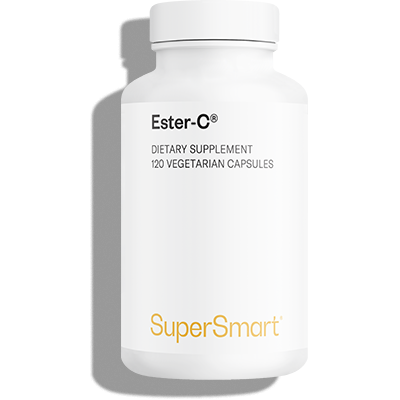
- Vitamin C supports vascular health, protects against oxidative damage, and improves iron absorption, which can help prevent hypotension. Include foods like guava, artichoke, peppers, broccoli, kiwi, strawberries, oranges, pineapple, and lemon in your diet.
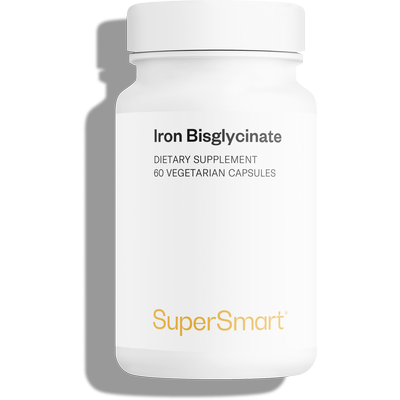
- Ensure adequate intake of potassium (almonds, bananas, avocado), magnesium (spinach, whole grains), and iron (red meat, fish, legumes, or supplements such as Iron Bisglycinate for diagnosed deficiencies) to support cardiovascular health.
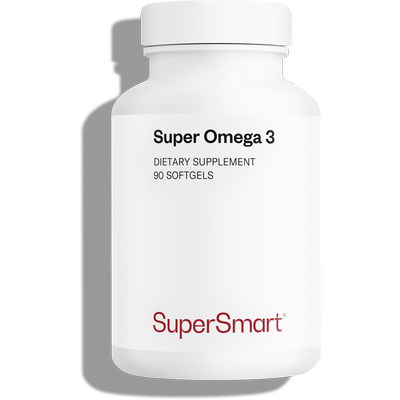
- Balance meals with complex carbohydrates, lean proteins, and healthy fats (e.g., omega-3s like Super Omega-3) to maintain stable energy levels and regulate blood pressure.
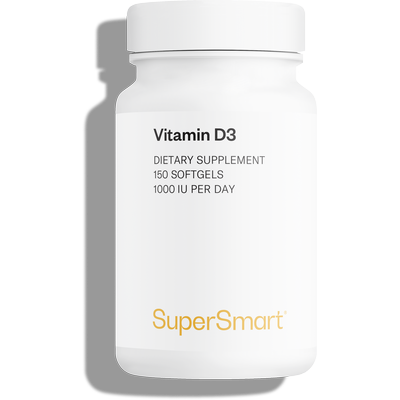
- Recent studies have linked vitamin D deficiency to a higher risk of hypotension. Safe sun exposure, vitamin D-rich foods (e.g., fatty fish, eggs, fortified milk), or supplements such as Vitamin D3 1000 IU can help address deficiencies.
- Dietary fibre aids in long-term cardiovascular health. Sources include whole grains, legumes, fruits (e.g., bananas, apples, peaches), and supplements like Organic Acacia.
- Avoid overly sugary products (e.g., pastries, cakes) to prevent blood sugar fluctuations that could worsen hypotension symptoms.
- Walk after meals if you often experience postprandial hypotension, avoiding intense physical activity.
- Avoid hypotensive supplements such as cat’s claw, mistletoe, stevia, yohimbe, celery seed, or quercetin unless advised by a professional.
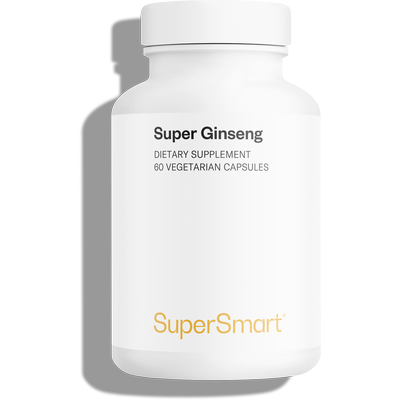
- Consider adaptogenic supplements like ginseng (e.g., Super Ginseng) under medical guidance.
- Under professional supervision, include caffeinated beverages (coffee, green or black tea, mate) up to 200 mg per day (equivalent to two standard cups of coffee), as caffeine can stimulate blood pressure.
SUPERSMART RECOMMENDATION

References
- Hypotension orthostatique : mécanismes, causes, traitement. M. Previsdomini, A. Perren, C. Marone. Forum Med Suisse 2006;6:913–918. 5. Preventing and treating orthostatic hypotension: As easy as A, B, C. Figueroa JJ, Basford JR, Low PA. Cleve Clin J Med. 2010 May;77(5):298-306. Review.
- Pathak A, Elghozi J-L, Fortrat J-O, Sénard J-M, Hanon O. Prise en charge de l’hypotension orthostatique. Consensus d’experts de la Société française d’hypertension artérielle (SFHTA), Société française de gériatrie et gérontologie (SFGG), European Federation of Autonomic Societies (EFAS). Société française d’hypertension artérielle 2014:1-4.
- Isaacson SH. Managed care approach to the treatment of neurogenic orthostatic hypotension. Am J Manag Care 2015;21(13 Suppl):s258-68.
- Briasoulis A, Silver A, Yano Y, Bakris GL. Orthostatic hypotension associated with baroreceptor dysfunction: treatment approaches. J Clin Hypertens 2014;16(2):141-8.
- Grosso G, Bei R & al. Effects of Vitamin C on health: a review of evidence. Frontiers in Bioscience 18, 1017-1029, June 1, 2013.
- Ometto F & al. Hypovitaminosis D and orthostatic hypotension: a systematic review and meta-analysis. Journal of Hypertension 34(6):p 1036-1043, June 2016. | DOI: 10.1097/HJH.0000000000000907
- Artaza Gilani, Sheena E Ramsay, Paul Welsh, Olia Papacosta, Lucy T Lennon, Peter H Whincup, S Goya Wannamethee, Vitamin D deficiency is associated with orthostatic hypotension in older men: a cross-sectional analysis from the British Regional Heart Study, Age and Ageing, Volume 50, Issue 1, January 2021, Pages 198–204, https://doi.org/10.1093/ageing/afaa146
Keywords




88 Days
Fast delivery
Fast delivery, no hassle
Trusted
92 Days
Great product
Great product, quick delivery
Jamal
95 Days
Very good helps me everytime
Very good helps me everytime
TAMMINEN Liis
97 Days
it helps a lot on digestion
it helps a lot on digestion
Elisa Fleury
103 Days
Super fast delivery
Super fast delivery. Trying flexismart at the moment, Maybe a bit too soon to see results bit nice tolérance so far.
Maria Angeles Verdu
103 Days
Good service
Supersmart are an efficient company - the order arrived quickly. This is usual for them, though they have occasionally been let down by delivery firms - not a surprise and not their fault.
Barry Humphries
104 Days
Excellent product
Excellent product, quick delivery
FERENCNE Soros
106 Days
High quality, reliable service!
I have been ordering their products for years! They are excellent quality. And despite the international shipping, my order allways arrived pretty fast. The loyalty program is very fair, I get great prices on the products. Imagine: my specialists are asking me what have I been taking that my counts are so good!
Petra Hruskova
107 Days
I purchased Melatonin
I purchased Melatonin, very quick delivery to the UK and product is perfect. Very Happy
Dean Harriss
109 Days
Avis général
Well boxes are white but that puts a bit of serious color for my grey matter. Supersmart is quality products and made myself a pharmacy. Honestly should be remboursed by the health institutes selling pills
LEBORDAIS Thomas
110 Days
Arrives in just five days even to Japan…
Arrives in just five days even to Japan – that’s insanely fast! Amazing lineup of innovative products.
namio
113 Days
Quality and choice of supplements.
Quality and choice of supplements.
Maja
117 Days
perfect great
perfect great
igor janic
122 Days
Good products and speedy delivery
Good products and speedy delivery
Jim
126 Days
Very good
Very good, fast delivery
Paddy
of experience
your money back
##montant## purchase